
Appliance Removal Miami — Freon-Certified, Same-Day Pickup
You cannot legally put an old refrigerator at the curb and walk away. That’s not a Miami-Dade quirk — it’s federal law. This page covers why, what it costs to do it right, and the free option almost nobody mentions before you pay for one.
Get My Instant Price →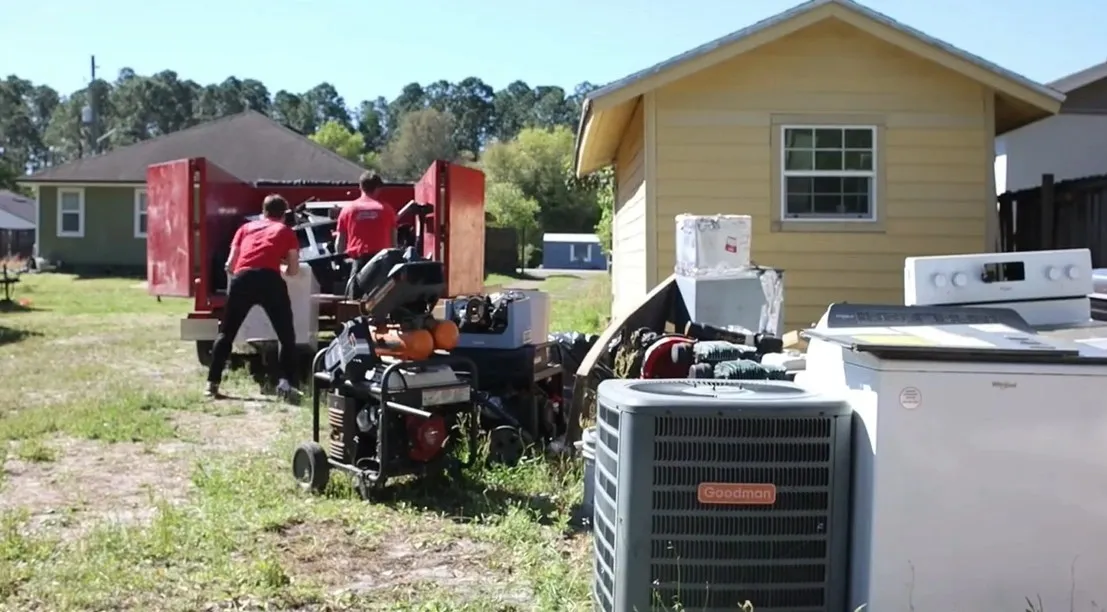
Appliance Removal Miami: What to Expect
When you need appliance removal Miami, our licensed and insured crew delivers upfront pricing, flexible scheduling, and careful handling every time. As a trusted appliance removal Miami provider, we serve homeowners and businesses across Miami-Dade County.
Why refrigerators and freezers can’t just go in the trash
Refrigerators, freezers, window AC units, and dehumidifiers all contain refrigerant in their cooling systems. Under EPA Section 608 of the Clean Air Act, that refrigerant has to be professionally recovered by a certified technician before the unit is scrapped, crushed, or landfilled — releasing it into the air is a federal violation, with fines that can run into the tens of thousands of dollars per incident for whoever’s responsible for the disposal chain.
What appliance removal costs in Miami
| Appliance | Typical Price |
|---|---|
| Single appliance (fridge, washer, dryer) | $75–$175 |
| Refrigerator/freezer (includes refrigerant recovery) | $75–$250 |
| Multiple appliances / bundled pickup | Cheaper per item |
Price depends mostly on access — an appliance rolling straight out of a garage costs less labor than one coming down a flight of stairs or out of a tight galley kitchen.
Before you pay: check if your utility will take it for free
Working refrigerators and freezers sometimes qualify for free pickup — and occasionally a small rebate — through electric utility recycling programs, since old units use significantly more electricity than modern ones and utilities have an incentive to get them off the grid. Search your utility’s name plus “refrigerator recycling program” to check current eligibility before booking paid removal — this typically only applies to units that are still plugged in and cooling, even poorly. Broken or non-functional units usually don’t qualify, which is where paid removal becomes the practical option.
What we take
- Refrigerators and freezers (refrigerant recovery included)
- Washers, dryers, dishwashers
- Window AC units and dehumidifiers
- Water heaters
- Stoves, ovens, microwaves

How it works
Send a photo and confirm the appliance is disconnected
Get a firm price
Already includes refrigerant recovery if applicable — not a surprise line item at pickup.
Crew removes it same-day or next-day
Handling recovery, recycling, and disposal.
FAQ
Why can’t I just put my old fridge at the curb?
Refrigerators contain refrigerant that’s regulated under federal law (EPA Section 608 of the Clean Air Act). It has to be professionally recovered before the unit can be scrapped or landfilled — this applies everywhere in the U.S., not just Miami-Dade.
Is refrigerant recovery included in your price, or is it extra?
It’s included in the quoted price for refrigerant-containing appliances. If you’re comparing quotes and one seems unusually low for a fridge specifically, ask directly whether recovery is included.
Can I get my old refrigerator picked up for free?
Possibly — if it’s a working unit that’s still plugged in and cooling, some electric utilities run free pickup and rebate programs. Check with your utility before booking paid removal. Non-working units typically don’t qualify.
Do I need to disconnect the appliance before you arrive?
Yes — water, gas, and electrical connections should be disconnected beforehand. Gas lines specifically should be handled by a licensed professional, not disconnected on the day of pickup.
Do you take working appliances for donation?
Often, yes — working appliances in good condition can sometimes go to donation organizations rather than disposal. Ask when you book if you’d like this prioritized; acceptance depends on the organization’s current condition standards.
What appliances actually require certified refrigerant recovery?
Anything with a sealed cooling system: refrigerators, freezers, window and portable AC units, dehumidifiers, and some water coolers. Stoves, dishwashers, and standard washers/dryers don’t contain refrigerant and don’t require this step.