What Happens to Your Junk After Pickup? Free Miami Guide (2026)
What Happens to Your Junk After Pickup? (Miami Donation & Recycling Partners)
The Short Version
Most people assume junk removal means everything goes to the same place: a landfill, out of sight. In practice, what happens to your junk after pickup usually splits three ways — donation, recycling, and disposal — and which bucket an item lands in depends mostly on its condition.
There is also a larger story specific to Miami-Dade County right now that directly impacts where disposal items end up.
Miami-Dade’s Disposal Crisis
In February 2023, a fire destroyed Miami-Dade County’s waste-to-energy plant in Doral — a facility that previously processed a major share of the county’s trash into electricity.
As of late 2026, site selection and negotiations for a replacement facility remain stalled due to community pushback, political delays, and projected costs exceeding $3 billion. In the interim, Miami-Dade continues to transport a significant share of its waste via rail and truck to landfills in Okeechobee County and out of state, costing taxpayers upwards of $65 million per fiscal year in haulage expenses.
How Items Are Sorted
Condition is the primary sorting filter for what happens to your junk after pickup. Items in good, functional condition skip landfill lines entirely.
1. Donation (Usable Goods)
Furniture, appliances, and household items in good condition are set aside for local donation partners.
- Goodwill Industries of South Florida: Accepts clothing, small electronics, decor, and select furniture items.
- The Salvation Army Adult Rehabilitation Center (Miami): Accepts larger furniture pieces, working home electronics, and household goods.
- Habitat for Humanity ReStore (Greater Miami): Accepts building materials, cabinetry, doors, plumbing fixtures, and major home appliances — making it a primary recipient for renovation and estate cleanout materials.
2. Recycling (Scrap & Electronics)
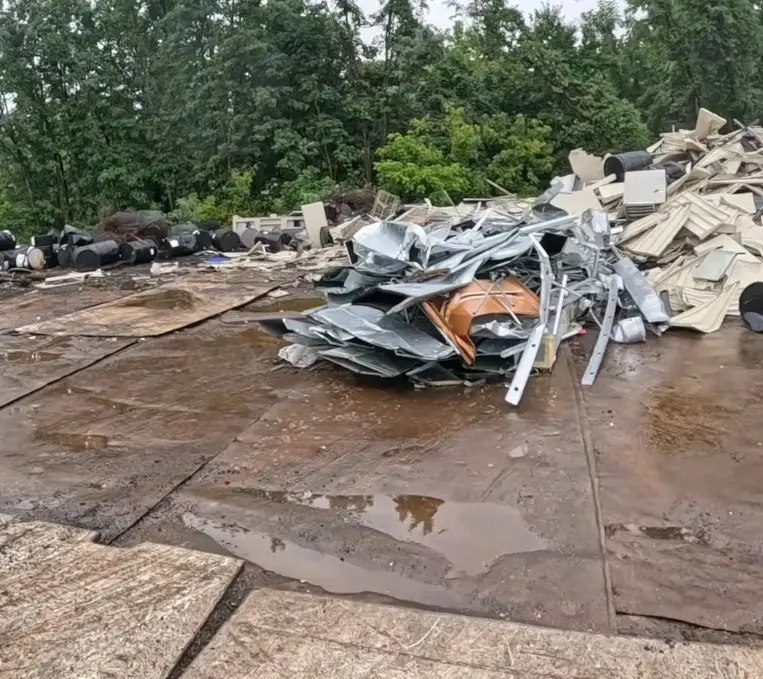
- Ferrous & Non-Ferrous Metals: Metal bed frames, patio furniture, iron railing, and copper piping are separated and transferred to licensed scrap metal recyclers.
- Electronics (E-Waste): Under Florida environmental law, computers, monitors, and televisions are prohibited from standard landfill disposal and must be routed through specialized e-waste recyclers.
- Refrigerant Recovery: Refrigerators, freezers, and air conditioners undergo certified Freon recovery in strict compliance with federal EPA Section 608 regulations before metal recycling.
- Renovation Debris: Clean masonry, concrete, and unpainted wood are processed through specialized construction and demolition (C&D) recycling facilities where available.
3. Responsible Disposal
Items that are broken, contaminated, or non-recyclable enter the county’s standard disposal stream.
Questions to Ask a Junk Removal Service
If you care about what happens to your junk after pickup and keeping items out of landfills, ask your hauler these questions before booking:
- “Which local charities do you partner with for reusable furniture?”
- “How do you handle EPA-compliant Freon recovery for refrigerators?”
- “Are electronics separated for certified e-waste processing?”
A reputable hauler will clearly explain their sorting process rather than giving a generic answer.
Frequently Asked Questions
Does junk removal automatically include donation?
Items in good, functional condition are sorted for donation whenever possible, but acceptance depends on charity intake guidelines.
Why is Miami-Dade’s trash situation unique right now?
Following the 2023 Doral incinerator fire, the county has lacked a primary waste-to-energy facility, forcing millions of tons of trash to be shipped to outlying landfills at substantial municipal expense.
Are electronics illegal to throw in standard Miami trash?
Yes. Florida law prohibits disposing of televisions, monitors, and computers in standard residential trash or landfills. They must go to dedicated e-waste facilities.
Related Reading
Miami-Dade Solid Waste Hauler Permit: #SW-02984-P (Verified & Active)
Commercial Insurance: $1,000,000 General Liability Coverage
Dispatch Address: 2081 NW 7th Ave, Miami, FL 33127
Serving All of Miami-Dade County Since 2017